Top 10 Benefits of Using VFD Drives for Industry?
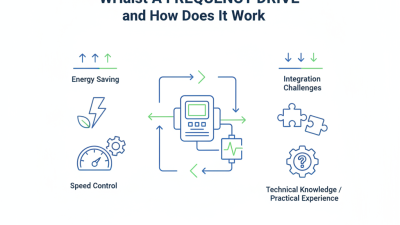
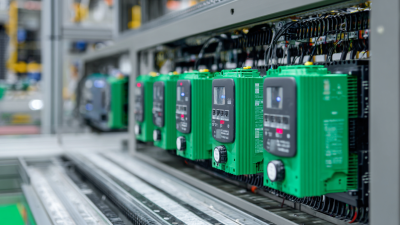
In the ever-evolving industrial landscape, VFD drives have emerged as a game-changer. These Variable Frequency Drives optimize motor control, leading to improved efficiency and performance. Experts in the field, such as Dr. Emily Chen, a renowned engineer with over 20 years of experience, emphasize their importance. Dr. Chen states, "The adoption of VFD drives is crucial for modern industries to reduce energy consumption."
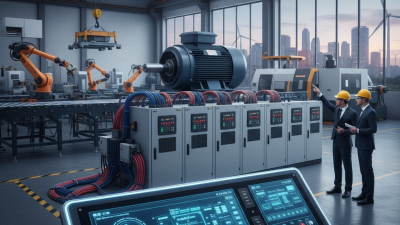
With rising energy costs, industries are increasingly seeking solutions for efficiency. VFD drives help by adjusting motor speed based on demand. This reduces not only energy use but also wear and tear on equipment. Industries like manufacturing and HVAC rely heavily on these systems. The detailed control provided by VFD drives enables precise operations, crucial for complex processes.
While the benefits are significant, one must consider the initial investment and training required. Not all companies fully grasp the opportunity. As Dr. Chen advises, awareness and education about VFD drives are essential for unlocking their full potential. Continuous improvement is necessary for industries to fully harness the advantages of this technology.

Benefits of Enhanced Energy Efficiency Through VFD Drives
Variable Frequency Drives (VFDs) significantly enhance energy efficiency in various industries. A report by the U.S. Department of Energy reveals that VFDs can reduce energy consumption by 20% to 50% for electric motor applications. This reduction directly translates into lower operating costs. Motor-driven systems are responsible for nearly 70% of industrial electricity use, making VFD technology essential for energy management.
Aside from energy savings, VFDs improve equipment longevity. By controlling motor speed and torque, they reduce wear and tear on mechanical components. This often leads to lower maintenance costs and fewer unscheduled outages. According to the International Energy Agency, integrating VFDs can extend the life of motors by 30% to 50%. This extension shows the dual benefit of energy efficiency and asset management.
However, implementing VFD technology requires careful planning. Not every system might see the same level of return on investment. Some facilities have reported challenges during the integration phase, particularly with system compatibility and training staff. It’s crucial to assess the specific needs of each operation. Such assessments can ensure that energy savings align with overall operational goals. Balancing these factors can make a significant difference in the successful adoption of VFD technology.
Top 10 Benefits of Using VFD Drives for Industry
| Benefit |
Description |
Impact on Energy Efficiency (%) |
| Energy Savings |
VFD drives reduce energy consumption by allowing motors to operate at optimal speed. |
20-50% |
| Improved Process Control |
Allows for precise control of motor speed and torque enhancing productivity. |
N/A |
| Reduced Wear and Tear |
Minimizes mechanical stress on equipment leading to longer lifespan. |
N/A |
| Lower Operating Costs |
Decreased power bills and maintenance costs as a result of energy efficiency. |
15-30% |
| Enhanced System Performance |
Improves the overall performance and reliability of automation systems. |
N/A |
| Noise Reduction |
VFD drives can operate quieter than traditional drives, leading to a better work environment. |
N/A |
| Power Factor Improvement |
Reduces the demand on the overall power system through better power factor. |
Up to 25% |
| Ability to Regenerate Energy |
Some VFDs can return energy back to the power supply during deceleration. |
N/A |
| Flexibility and Scalability |
Can easily adapt to various applications and expand as needed. |
N/A |
| Environmental Benefits |
Lower carbon footprint due to energy savings and improved efficiency. |
N/A |
Improved Process Control and Precision in Operations with VFD Drives
Variable Frequency Drives (VFDs) transform the way industries operate. They enable precise control over motor speeds, significantly enhancing process efficiency. This level of control allows operators to tailor machinery performance based on real-time demands. For instance, in an assembly line, VFDs can adjust conveyor belt speeds to optimize production rates. Operators can maintain energy efficiency while ensuring that products meet quality standards.
Moreover, VFDs provide a smoother operation compared to traditional methods. This results in reduced mechanical stress on equipment, leading to longer service life. Vibrations and noise are minimized, creating a safer working environment. However, implementing VFDs may require staff training to fully leverage their capabilities. Misconfigurations can lead to less than optimal performance, emphasizing the need for expertise.
The integration of VFDs in various applications highlights their versatility. Although they enhance automation, not all processes may benefit equally. Industries must assess specific needs before transitioning to VFD technology. Balancing precision with the complexities of system integration remains a challenge. Regular maintenance and monitoring are essential to ensure continuous improvement in process control.
Reduced Mechanical Wear and Tear with Variable Frequency Drives
Variable Frequency Drives (VFDs) are revolutionizing industrial applications. One significant advantage of VFDs is their ability to reduce mechanical wear and tear on equipment. By controlling motor speed and torque, VFDs lessen the strain on mechanical components. This leads to longer equipment life and fewer maintenance needs.
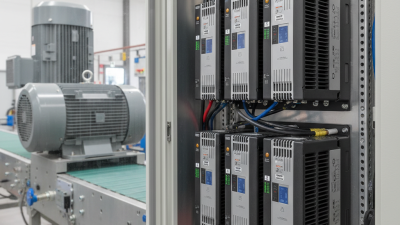
VFDs adjust the voltage and frequency supplied to the motor. This lets machines operate at optimal speeds. Consequently, there’s less shock during startups and stops. For example, a conveyor belt using VFD technology can ramp up slowly rather than starting abruptly. This gradual increase minimizes the risk of damage.
While VFDs offer great benefits, they are not a one-size-fits-all solution. Some industries may experience challenges in implementing this technology. Issues such as harmonics and electrical noise can arise. Regular monitoring and maintenance are required to mitigate these effects. Overall, VFDs provide an effective means to enhance operational efficiency while protecting vital machinery.
Lowered Operational Costs and Maintenance with VFD Applications
Variable Frequency Drives (VFDs) have revolutionized energy efficiency in industrial applications. One significant benefit lies in reduced operational costs. VFDs modify motor speed to match load requirements. This adaptability reduces energy waste and can lead to substantial savings. It allows facilities to run equipment only at necessary speeds, offering flexibility in operations.
Moreover, maintenance becomes less frequent with VFDs. By controlling motor speeds, the wear and tear on machinery are minimized. This results in fewer breakdowns and a longer lifespan for equipment. Regular motor maintenance can be costly. With VFDs, those expenses decrease significantly. However, it’s essential to monitor VFD performance to avoid potential issues.
While VFDs are beneficial, their implementation can be complex. Operators must ensure proper programming and integration with existing systems. Overlooking these aspects could lead to inefficiencies rather than improvements. Understanding the nuances of VFD applications will determine their true impact on operational success.
Increased Equipment Lifespan and Reliability Using VFD Technology
Variable Frequency Drives (VFDs) significantly enhance the lifespan and reliability of industrial equipment. By adjusting motor speed, VFDs minimize mechanical stress. This leads to reduced wear and tear on components. For instance, a pump running at a consistent speed can experience overheating and cavitation. VFD technology allows for gentle acceleration and deceleration, reducing these risks.
Moreover, optimizing energy consumption is vital. Traditional systems often run at full speed, wasting energy when not needed. VFDs adjust power based on real-time requirements. This can lead to substantial energy savings. Over time, these savings contribute to longer equipment life due to less heat generation and mechanical strain. Additionally, synchronization during operations reduces the risk of faults.
In industrial settings, even small improvements can lead to significant results. However, one must acknowledge the initial learning curve and setup challenges with VFDs. Proper training is necessary to maximize their benefits. Careful consideration of installation and maintenance is critical. Without addressing these issues, equipment reliability may not improve as expected. Remember, technology is as powerful as the knowledge that drives it.