

- Home
- Request for Quote
- Products
- Variable Frequency Drive Systems and Controls
- AC Variable Frequency Drives
- ABB ACS150 Component Drives :: Overview
- ABB ACS150 Component Drives :: Technical Specifications
- ABB ACS150 Component Drives :: Ratings, Types, Voltages and Construction – Prices
- ABB ACS150 Component Drives :: Dimensions, Weight and Noise
- ABB ACS150 Component Drives :: Interface and Options (prices)
- ABB ACS150 Component Drives :: Technical Data
- ABB ACS150 Component Drives :: Control Connections
- ABB ACS350 General Machinery Drives :: Overview
- ABB ACS350 General Machinery Drives :: Technical Specifications
- ABB ACS350 General Machinery Drives :: Ratings, Types, Voltages and Construction
- ABB ACS350 General Machinery Drives :: Dimensions, Weight and Noise
- ABB ACS350 General Machinery Drives :: Interface and Options (prices)
- ABB ACS350 General Machinery Drives :: Technical Data
- ABB ACS350 General Machinery Drives :: Control Connections
- ABB ACS550 AC Variable Frequency Drive :: Overview
- ABB ACS550 AC Variable Frequency Drive :: Hardware Description
- ABB ACS550 AC Variable Frequency Drive :: Standard Features and Options
- ABB ACS550 AC Variable Frequency Drive :: Specifications
- ABB ACS550 AC Variable Frequency Drive :: 230V Ratings (pricing)
- ABB ACS550 AC Variable Frequency Drive :: 380V Ratings (pricing)
- ABB ACS550 AC Variable Frequency Drive :: 480V Ratings (pricing)
- ABB ACS550 AC Variable Frequency Drive :: Dimensions: ACS550 NEMA 1 R1 through R6 Frame Size
- ABB ACS550 AC Variable Frequency Drive :: Dimensions: ACS550 NEMA 12 R1 through R6 Frame Size
- ABB ACS550 AC Variable Frequency Drive :: Dimensions: ACS550-02 NEMA 1 R7 Frame Size
- ABB ACS550 AC Variable Frequency Drive :: Dimensions: ACS550-02 NEMA 1 R8 Frame Size
- ABB ACS550 AC Variable Frequency Drive :: Dimensions: ACS550-U2 NEMA 1 R7 & R8 Frame Size
- ABB ACS 600 Adjustable Speed AC Drives
- ABB ACS800 AC Variable Frequency Drive :: Overview
- ABB ACS800 AC Variable Frequency Drive :: Standard Features / Available Options and Software
- ABB ACS800 AC Variable Frequency Drive :: Specifications
- ABB ACS800 AC Variable Frequency Drive :: Basic Type Code Information
- ABB ACS800 AC Variable Frequency Drive :: 230V Ratings (pricing)
- ABB ACS800 AC Variable Frequency Drive :: 380V Ratings (pricing)
- ABB ACS800 AC Variable Frequency Drive :: 460V Ratings (pricing)
- ABB ACS800 AC Variable Frequency Drive :: ACS 800-U2 NEMA 1 R7 & R8 Frame Size and ACS 800-02+C111 IP21 (NEMA 1) R7 & R8 Frame Size
- ABB ACS800 AC Variable Frequency Drive :: ACS 800 NEMA 1/12 R2 through R6 Frame Size
- ABB ACS800 AC Variable Frequency Drive :: ACS 800-02 NEMA 1 R7 & R8 Frame Size
- ABB ACS800 AC Variable Frequency Drive :: ACS 800-U4 Module R7 Frame Size
- ABB ACS800 AC Variable Frequency Drive :: ACS 800-U4 Module R8 Frame Size
- ABB ACS880 Industrial Low Voltage AC Drives
- ABB ACS880 AC Drives – Technical Data
- Wall-mounted single drives, ACS880-01
- ABB ACS880 Ratings, types and voltages
- ABB ACS880 AC Drives – Dimensions & Connectivity
- ABB ACS880 AC Drives – Standard Software
- ABB ACS880 AC Drives – Intuitive Human-Machine Interface
- ABB ACS880 AC Drives – Integrated Safety
- ABB ACS880 AC Drives – Flexible Connectivity
- Input/output Modules, Speed Feedback Interfaces & Communication Modules
- ABB Softstarters, Type SSM, Medium Voltage, 2300-13,800V :: Description
- ABB Type SSM Softstarters – Medium Voltage, 2300-13,800V :: General Information
- ABB Type SSM Soft Starters – Medium Voltage, 2300 – 13,800V :: Catalog Numbers
- ABB Soft Starters, Type SSM – Medium Voltage, 2300-13,800V :: Technical Data
- ABB Softstarters, Type SSM, Medium Voltage, 2300-13,800V :: Approx. Dimensions
- Yaskawa AC Drives
- AuCom Soft Starters
- Emerson Industrial Automation (Control Techniques and Saftronics) AC Drives
- Control Techniques – Commander SE AC Drive
- Control Techniques – Commander SK AC Drive
- Commander SK :: Features
- Commander SK :: Terminal Diagram and Description
- Commander SK :: Specifications and Dimensions
- Commander SK – Options :: Overview
- Commander SK – Options :: Configuration and Programming
- Commander SK :: Operator Interface
- Commander SK :: Power Accessories
- Commander SK :: Environmental Protection and Cable Management
- Commander SK :: Input / Output
- Commander SK :: Communication
- Commander SK :: Programming Software
- Control Techniques – Commander SX AC Drive
- Commander SX :: Features, Ratings, Prices and Ordering
- Commander SX :: Terminal Diagram and Description
- Commander SX:: Specifications and Dimensions
- Commander SX :: Options – Overview / Drive Configuration and Programming
- Commander SX :: Communication / Operator Interface
- Commander SX :: Power Accessories
- Commander SX :: Input/Output and Communication
- Control Techniques – Unidrive SP AC Drive
- Unidrive SP :: Features
- Unidrive SP :: Ratings, Prices & Ordering – Wall Mount
- Unidrive SP :: Ratings, Prices & Ordering – Free Standing Cubicle
- Unidrive SP :: Unidrive SP Regen Mode
- Unidrive SP :: Terminal Diagram and Description
- Unidrive SP :: Specifications and Dimensions
- Unidrive SP :: Options – Overview
- Unidrive SP :: Operator Interface
- Unidrive SP :: Power Accessories
- Unidrive SP :: Option & Feedback Modules
- Unidrive SP :: Option Input / Output Modules
- Unidrive SP :: Option Application / Programming Modules
- Unidrive SP :: Option Communication Modules
- Unidrive SP :: Drive Configuration and Programming
- Unidrive SP :: Application Programming Software
- Unidrive SP :: Pre-packaged Solutions
- Saftronics GP10 AC Drives
- Saftronics GP10 – Pricing, Dimensions & Weights
- Saftronics GP10 – Optional DC Link Reactors
- Saftronics GP10 – Options & Accessories
- Saftronics GP10 – Palm Pilot Saflink Kit
- Saftronics GP10 – SR10 Radio Modem Kit
- Saftronics GP10 – Relay Output Card
- Saftronics GP10 – Digital I/O Interface Card
- Saftronics GP10 – Analog I/O Interface Card
- Saftronics GP10 – SF-10 Ethernet Module
- Saftronics GP10 – Interface Option Card
- Saftronics GP10 – Under Torque Detection Option
- Saftronics GP10 – 24 VDC or 24/120 VAC Interface
- Saftronics GP10 – Air Pressure Sensor + V/I Converter Output Card
- Saftronics GP10 – HMI Pump Controller
- Saftronics GP10 – SDBU – Dynamic Brake Module
- Saftronics GP10 – 208-230V Dynamic Brake Packages
- Saftronics GP10 – 460V Dynamic Brake Packages
- Saftronics GP10 – Ratings Efficiency & Watts Loss
- Saftronics GP10 – Standard Specifications
- Saftronics GP10 – Basic Connection Diagram
- Saftronics GP10 – Basic Connection Diagram to PLC
- Saftronics GP10 – Basic Connection Diagram (Europe)
- Saftronics GP10 – Basic Connection to PLC (Europe)
- Saftronics S10 AC Drives
- Saftronics S10 – Options and Accessories
- Saftronics S10 – Standard Specifications
- Saftronics S10 – Dimensions
- Saftronics S10 – Dimensions – Part Number: S102002 – S102003 & S104001 – S104003
- Saftronics S10 – Dimensions – Part Number: S102F25 – S102001
- Saftronics S10 – Dimensions — Part Number: S102F25 – S102001 no Operators
- Saftronics S10 – Dimensions – Part Number: S102002-2003 & S104001-4003
- Saftronics S10 – Basic Wiring Diagram
- Saftronics CV10 AC Drives
- Saftronics CV10 – Part Numbers, Dimensions & Weights
- Saftronics CV10 – LED Keypad with Speed Pot
- Saftronics CV10 – LCD Keypad (supports 5 Languages)
- Saftronics CV10 – Keypad Extension Cable
- Saftronics CV10 – Communication Option Cards
- Saftronics CV10 – Bi-Polar Speed Reference Option Card
- Saftronics CV10 – Standard Specifications
- Saftronics CV10 – Ratings Efficiency and Watts Loss
- Saftronics CV10 – Dimensions Frame 1 – IP20 (Open Chassis)
- Saftronics CV10 – Dimensions Frame 1 – NEMA 1
- Saftronics CV10 – Dimensions Frame 2 – IP20 (Open Chassis)
- Saftronics CV10 – Dimensions Frame 2 – NEMA 1
- Saftronics CV10 – Dimensions Frame 3 – IP20 (Open Chassis)
- Saftronics CV10 – Dimensions Frame 3 – NEMA 1
- Saftronics CV10 – Basic Wiring Diagram
- Saftronics VG10 AC Drive
- Saftronics VG10 – Pricing, Dimensions & Weights
- Saftronics VG10 – Optional DC Link Reactors
- Saftronics VG10 – Options and Accessories
- Saftronics VG10 – Palm Pilot Saflink Kit
- Saftronics VG10 – Relay Output Card
- Saftronics VG10 – SR10 Radio Modem Kit
- Saftronics VG10 – Digital I/O Interface Card
- Saftronics VG10 – Analog I/O Interface Card
- Saftronics VG10 – SF-10 Ethernet Module
- Saftronics VG10 – PGX Encoder Feedback Card
- Saftronics VG10 – Encoder + Analog Output Card
- Saftronics VG10 – PG Feedback Card SOPCG11SPG
- Saftronics VG10 – PG Feedback Card SOPCG11SPG2
- Saftronics VG10 – Synchronized Operation Card
- Saftronics VG10 – 24 VDC or 24/120 VAC Interface Card Kit
- Saftronics VG10 – Air Pressure Sensor + V/I Converter Output Card
- Saftronics VG10 – SDBU – Dynamic Brake Module
- Saftronics VG10 – 208-230V Dynamic Brake Packages
- Saftronics VG10 – 460V Dynamic Brake Packages
- Saftronics VG10 – Ratings Efficiency and Watts Loss
- Saftronics VG10 – Standard Specifications
- Saftronics VG10 – DC Link Reactor 100 HP and Above
- Saftronics VG10 – Basic Connection Diagram (Sink Logic, Mainly America)
- Saftronics VG10 – Basic Connection Diagram to PLC (Sink Logic, Mainly America)
- Saftronics VG10 – Basic Connection Diagram (Source Logic, Mainly Europe)
- Saftronics VG10 – Basic Connection Diagram to PLC (Source Logic, Mainly Europe)
- Saftronics PC10 (Obsolete) AC Drives
- Saftronics PC10 – Options & Accessories
- Saftronics PC10 – SF-10 Ethernet Module Kit
- Saftronics PC10 – 24 VDC or 24/120 VAC Input + Relay Option Card
- Saftronics PC10 – 24 VDC or 24/120 VAC Interface Card Kit (PC10, GP10, or VG10 Inverter)
- Saftronics PC10 – Relay Output Card
- Saftronics PC10 – HMI Pump Controller
- Saftronics PC10 – PC10 120 VAC Option Card
- Saftronics PC10 – Palm Pilot Saflink Kit
- Saftronics PC10 – Dynamic Braking
- Saftronics PC10 – Drive Ratings Efficiency and Watts Loss
- Saftronics PC10 – Standard Specifications
- Saftronics PC10 – Part Number: PC102F12-9, PC102F25-9, PC102F50-9 & PC102001-9
- Saftronics PC10 – Part Number: PC102002-9, PC102003-9, PC104F50-9, PC104001-9, PC104002-9 & PC104003-9
- Saftronics PC10 – Part Number: PC102005-9 & PC104005-9
- Saftronics PC10 – Part Number: PC102007-9, PC102010-9, PC104007-9 & PC104010-9
- Saftronics PC10 – NEMA 1 Kit Dimensions
- Saftronics PC10 – Basic Wiring Diagram
- Fincor 5700 Series (Obsolete) AC Drive
- Fincor 5740 Series (Obsolete) AC Drive
- Fincor 5750 Series (Obsolete) AC Drives
- Motortronics Soft Starters
- SOLCON Soft Starters
- SOLCON RVS-DN Digital Soft Starter with Advanced Motor Protection
- Solcon HRVS-DN Digital Soft Starter with Advanced Motor Protection
- Solcon HRVS-TX Digital Transformer Soft Starter
- SOLCON RVS-AX Analog Soft Starters
- SOLCON Solstart Plus Analog Soft Starters
- SOLCON RVS-BX Basic Soft Starter with Built-In Bypass
- SOLCON RVS-DX Digital Soft Starter with Built-In Bypass
- SOLCON RVS-EX Digital Soft Starter for Explosion Proof motors with Built-In Bypass
- SOLCON SEM-N Rugged Soft Starter for Naval and Military Specifications
- SOLCON SOLSTART Miniature Analogue Soft Starter
- SOLCON SOLSTART 1P Single Phase Analogue Soft Starter
- SOLCON SOLBRAKE DC Injection Brake Soft Starter
- Magnetek – Soft Starters
- WEG Variable Frequency Drives, Controls and Motors
- ABB ACS150 Component Drives :: Overview
- DC Variable Speed Drives
- DC Drive Fundamentals
- ABB DCS 400 Digital DC Converter Drive
- ABB DCS 500 DC Drive
- ABB DCS800 DC Drives Overview
- DCS800 – Power Converter Modules
- DCS800 Panel Drive
- DCS800 Enclosed Converters
- DCS800 Rebuild and Upgrade Kits
- Adaptive Programming and Start-up Assistants
- DriveWindow Light – Startup and Maintenance Tool
- DCS800 Commissioning Macros
- DCS800 Firmware
- DCS800 Technical Specifications
- Current Ratings – Modules – Non-Regenerative
- Current Ratings – Modules – Regenerative
- Current Ratings – Modules – DCS800-EP Panel Drive
- DCS800 Dimensions and Weights
- DCS800 Technical Diagram
- DCS800 Plug-in Options
- DCS800 Feedback Options
- DCS800 Communication Options – Fieldbus Control
- DCS800 External Field Supply
- ABB DCS800-EP replaces Reliance FlexPak® 3000 – 230V Drive Cross Reference
- ABB DCS800-EP – 460V Drive Cross Reference
- ABB DCS800-EP – Options Cross Reference
- ABB DCS800-EP – Product Differences and Remedies – Hardware
- ABB DCS800-EP – Product Differences and Remedies – Control/Interface & Features
- ABB DCS800-EP – Drive Dimensions
- ABB DCS800-EP – Installation Procedure – Wiring and Configuration
- ABB DCS800-EP – Parameter Cross-Reference
- FINCOR Series 2600/2610 DC Drives
- 50 Amp & 90 Amp DC Field Regulators
- Mentor II | Quantum III | FXM5 Change of Status
- SIMOREG 6RA24 Siemens DC Drive Features
- SIMOREG 6RA70 Siemens Variable Speed DC Drive Description and Base Drive Catalog Numbers
- SIMOREG 6RA70 Siemens DC Drive Features
- SIMOREG 6RA70 DC Master Design & Operation – Converters
- SIMOREG 6RA70 Design & Operation – Parameterization Devices
- SIMOREG 6RA70 Design & Operation – Software Structure
- SIMOREG 6RA70 Design & Operation – Closed-Loop Functions in Armature Circuit
- SIMOREG 6RA70 Design & Operation – Closed-Loop in Field Circuit
- SIMOREG 6RA70 Design & Operation – Optimization Run
- SIMOREG 6RA70 Design & Operation – Monitoring & Disgnosis
- SIMOREG 6RA70 Design & Operation – Functions of Inputs & Outputs
- SIMOREG 6RA70 Design & Operation – Safety Shutdown (E-STOP)
- SIMOREG 6RA70 Design & Operation – Serial Interface
- 1000 Hp DC Variable Speed Drive System
- 3000 Hp DC Variable Speed Drive
- Permanent Magnet DC Motors
- SCR Drive Controllers (SCR-Silicon Controlled Rectifier)
- Custom Electric Control Panel Shop
- GE AC & DC Motors (G.E. Motors – General Electric AC & DC Motor)
- GE X$D Ultra® NEMA Premium Efficiency – TEFC AC Motors
- GE Kinamatic® Explosion Proof AC Motors
- GE Energy Saver® – TEFC Severe Duty AC Motors
- GE Kinamatic® General Purpose AC Motors
- GE Motors Energy Saver NEMA Premium Efficiency – ODP AC Motors
- GE ValueLine™ EPAct Efficiency – TEFC AC Motors
- GE ValueLine™ EPAct Efficiency – ODP AC Motors
- GE Permanent Magnet Custom DC Motors
- GE ValueLine™ Vertical Hollow Shaft AC Motors
- GE Permanent Magnet Standard DC Motors
- GE ASD Inverter Duty AC Motors
- G.E. Permanent Magnet Washdown DC Motors
- Avtron – Drives, Measurement and Tachs
- Avtron – Adjustable Speed Drives and Drive Systems
- Avtron – Speed and Length Measurement
- Avtron – Tachs, Tachometers, Encoders, Rotary Pulse Generators
- Avtron – Sales Literature and Instruction Sheets
- Avtron – Classic Tach Models
- Avtron – Price Quotation Request Form
- Avtron – Tachometers Availability
- Avtron – Heavy, Mill-Duty Encoders
- Avtron – Setting Air Gap on M285 Sensors
- Avtron – M4 Universal Encoder
- Avtron – M56, M67, M85 THIN-LINE
- Avtron – M285QUAD Outline Drawing
- Avtron – Severe Duty Encoders
- Avtron – Mill-Duty Encoders
- Avtron – M3 Universal Encoder
- Avtron – M3 Applications
- Avtron – M3 Installation
- Avtron – M3 Specifications
- Avtron – Tach Accessories
- Avtron – Tach Solutions
- Avtron – Rugged Environments
- Avtron – Selection by Motor Frame Size
- Avtron – Adapter Kits Outline Drawings
- Avtron – Motors with Brakes
- Avtron – NEMA C Face Mounting
- Avtron – Market Specific Applications
- Dynapar Encoders and Tachs
- ACURO AI25 Encoders
- Acuro Series AI25 Absolute Encoder with DeviceNet Interface
- Acuro Series AI25 Absolute Encoder with Profibus Interface
- Acuro Series AI25 Absolute Encoder with Interbus Interface
- Acuro Series AI25 Absolute Encoder with BiSS Interface
- Acuto Series AI25 Optical Encoders with SSI Interface
- Acuro Series AI25 Absolute Encoder with Parallel Interface
- Acuro Series AD25 Drive Absolute Encoder
- Series R25 – Mill Duty, HOUSED Resolver
- Series 21/22 Heavy Duty Incremetal Encoders
- Series H20 Encoder
- Series HA25 Dynapar Heavy Duty Encoders
- Series HR25 Incremental Encoders
- Series HC25 Incremental Encoders
- Series H58 Heavy Duty Encoders
- Series H42 Heavy Duty Encoders
- Series HA725 Indusrtial Duty Encoders
- Series HD20 Optical Encoder
- Series HD25 Optical Encoder – Harsh Duty
- Series H56 Rotopulser Heavy Duty Encoders
- RIM Tach 6200 Digital Tachometer
- Series X25 Incremental Encoders
- Series 60 Rotopulser Incremental Encoders
- Series H20 Hub Shaft Encoders
- Series HSD25 Harsh Duty Optical Encoders
- Series HSD44
- Series HS20 Sealed Hollow Shaft Encoders
- Series HS35 Sealed Hollow Shaft Encoders
- The NEW HS35R
- Series HSD35 Shaftless Optical Encoder
- Series HSD37 Hollowshaft Rotary Encoder
- Series HSD38 Harsh Duty Optical Encoder
- Series DWD38 Heavy Duty Rotary Encoders
- SLIM Tach HS56 Incremental Encoder / Tachometer
- RIM Tach HS85 Digital Tachometer
- SLIM Tach SL56 Rotary Encoder
- SLIM Tach RL67 Incremental Rotary Encoder
- SLIM Tach SL85 Digital Tachometer
- SLIM Tach SL1250 Incremental Encoder
- RIM Tach 8500 Digital Tachometer
- RIM Tach 1250 Digital Tachometer
- Series R45 Rotopulser Incremental Encoders
- ACURO AI25 Encoders
- Spare Parts and Replacement Parts
- PLC (Programmable Logic Controllers)
- Services
- Projects
- Operator Stations by Joliet Technologies
- AC VFD, AC Controllers and DC VSD by Joliet Technologies
- Material Handling Modernization Project by Joliet Technologies
- 10 DC (SCR) Drive System :: Neptune Marine Oil & Gas
- Mermaid Offshore Services :: 4 DC (SCR) Drive Cabinets
- “Frontier Driller” Offshore Oil Rig :: DC (SCR) Drive Bays
- 1000Hp Siemens SIMOREG 6RA70 DC Variable Speed Drive Retro-Fit
- Smurfit-Stone: Corrugator Crew Sets Production Record
- Steel Slitting Line for Braner USA
- 1000HP DC Drive, Bow Thruster Application for Pegler Automation
- 1000HP DC Traction Motor Drive, Slurry Pump Application for Baker Hughes
- Siemens 6RA70 DC Drive and GE 752 Traction Motor to Hallett Materials
- ABB ACS 800 VFD to Applied Synergistic
- Two 200Hp Variable Speed DC Drives and Motors to JHT Electronics
- Substrate Technology Inc. :: Joliet Technologies, L.L.C.
- Wyco Tool Company
- Variable Frequency Drives and Controls for Food Processing and Bakery Machinery
- Information
- Guide to Harmonics with AC Variable Frequency Drives
- Variable Speed Drives – Application Information
- Reducing harmonics caused by variable speed drives
- FAQ – Variable Speed Drives Frequently Asked Questions
- EASA Electrical Engineering Handbook
- Part Winding Start
- 3Ph Motors, Single Speed
- 3Ph Motors, 2 Speed, Single Winding
- Connections for NEMA DC Motors
- Connections for NEMA DC Generators
- Field Polarities of DC Machines
- Maximum Locked-Rotor Currents – Three-Phase Squirrel Cage Motors
- NEMA Code Letters for AC Motors
- General Speed-Torque Characteristics
- Effect of Voltage unbalance on Motor Performance
- Starting Characteristics of Squirrel Cage Induction Motors
- Allowable Starts and Starting Intervals
- NEMA Size Starters for Three-Phase Motors
- Starter Enclosures
- NEMA Size Starters for Single-Phase Motors
- Determining the Polarization Index of Machine Windings
- Formulas for Electrical Motors
- Motor Application Formulas
- Glossary of Terms
- Variable Frequency Drive (VFD) Case Studies
- VFD Case Studies – ABB drives & motors help to launch lifeboats quickly and safely.
- VFD Case Studies – Paperboard mill benefits from using DC drives
- VFD Case Studies – ABB Drive cuts water pumping bill for semiconductor plant.
- VFD Case Studies – Insulation manufacturing process saves energy with ABB :: Joliet Technologies
- VFD Case Studies – ABB drives cut costs at MINI production plant
- VFD Case Studies – Film maker slashes costs with ABB drives
- VFD Case Studies – ABB drive cuts costs for wooden toy company
- VFD Case Studies – Close pump control doubles efficiency for West of Scotland Water
- VFD Case Studies – ABB Energy Appraisal Saves Money :: Joliet Technologies
- VFD Case Studies – Staggering energy savings prove value of professional audit
- VFD Case Studies – Soft starters save costs for mechanical engineers
- NEMA Frame Chart and T-Frame Chart :: Joliet Technologies
- Model 1681 Instruction Manual – Firing Circuits DC SCR Drives
- IGBT – Insulated Gate Bipolar Transistors :: Joliet Technologies
- Blog
Blog
Top PSC Tool Holder Suppliers for Global Buyers
Choosing the right Psc Tool Holder supplier requires more than comparing prices on a product page. Global buyers must examine taper accuracy, runout control, balancing quality, coolant delivery, and compatibility with the target machine. A holder may look flawless under warehouse lighting, yet fail after repeated high-speed cycles. Tiny details matter, including thread quality, gripping length, surface finish, and pull-stud consistency.
Machining specialist Dr. Tony Schmitz emphasizes a practical principle: “The process determines the tool, not the other way around.” This idea should guide every supplier evaluation. Reliable manufacturers provide inspection reports, material information, dimensional tolerances, and clear responses from technical teams. They should also explain how each Psc Tool Holder performs under heavy milling, precision drilling, or extended production runs. Delivery capability matters too. A supplier with strong engineering but unstable export packaging can still create costly delays.
This guide reviews suppliers from a global buyer’s perspective. It considers manufacturing experience, quality systems, customization support, communication, and after-sales service. Some rankings may remain subjective. No supplier fits every workshop. A small precision shop may value flexibility, while an automotive plant may require repeatable volume and documented traceability. Buyers should test samples before placing large orders. That step feels slower. It is often cheaper than correcting taper damage, excessive vibration, or premature tool wear later. Supplier claims deserve verification, not automatic trust.
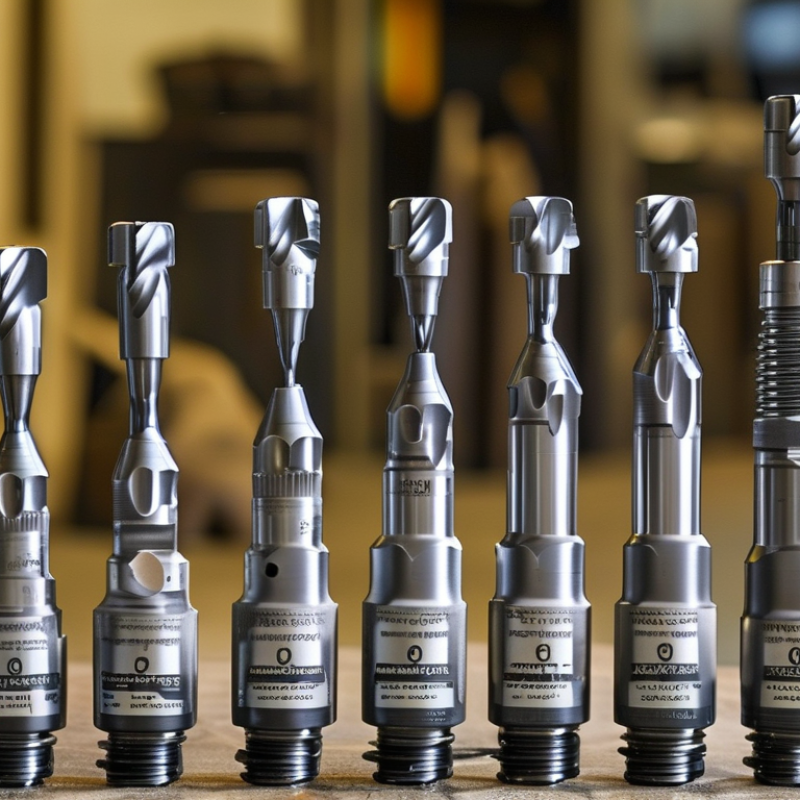
What Is a PSC Tool Holder and Why Does It Matter?
A PSC tool holder is a precision interface between a machine spindle and a cutting tool. PSC means Polygonal Shank Coupling. Its polygonal taper centers the holder, while the flange supports face contact. This combination can improve rigidity, repeatability, and tool-change accuracy during demanding machining.
Why does it matter? A stable holder helps control vibration, cutting pressure, and tool deflection. These factors affect surface finish, dimensional accuracy, and insert life. In practical use, buyers should check the holder’s taper standard, flange dimensions, balancing grade, and pull-stud compatibility. Measure twice. A small interface error can create uneven contact and shorten tool life.
A reliable PSC holder also depends on manufacturing quality. Inspect the ground surfaces, key slots, coolant passages, and coating condition before installation. Suppliers should provide inspection records, material information, and clear tolerance data. These details support traceability for global purchasing teams. Packaging matters too, because a damaged taper may look acceptable but perform poorly. Not every low-cost option is unsuitable, but price alone proves very little. I have found that real performance depends on the complete system, including the spindle, collet, cutter, and machining parameters. This point is easy to overlook. For that reason, buyers should request application guidance and test results instead of relying only on catalog claims.
Key Specifications for Comparing PSC Tool Holder Suppliers
Top PSC Tool Holder Suppliers for Global Buyers
When comparing PSC tool holder suppliers, examine interface accuracy, material quality, and documented production controls. The holder should match your machine’s PSC specification precisely. Check taper dimensions, flange geometry, gauge length, and permissible runout. A small mismatch can cause vibration, poor surface finish, or premature tool wear. Ask for inspection records, material certificates, and test results from recent production batches. Reliable suppliers should explain their processes clearly, not hide behind general claims.
Tool retention is equally important. Review clamping force, balancing grade, coolant delivery, and compatibility with your cutting tools. For high-speed machining, dynamic balance data matters more than attractive catalog photos. Also compare heat treatment, coating options, corrosion resistance, and replacement-part availability. Packaging deserves attention too. A damaged protective cap can expose precision surfaces during transit. My practical mistake was once treating delivery speed as a quality signal. It was not. Lead time should be assessed alongside inspection standards and communication reliability.
Tips: Request one sample holder before placing a large order. Measure runout with calibrated equipment, then test it under realistic cutting conditions. Keep written records of tolerance results, packaging quality, and supplier responses. Ask difficult questions early. Vague answers are useful warnings. Price still matters, but a low quote may exclude testing, balancing, or secure export packaging. Verify every specification in writing.
How to Evaluate Global PSC Tool Holder Manufacturers
Global PSC tool holder buyers should evaluate manufacturers beyond catalog prices. The PSC interface must match ISO 26623 dimensions, taper geometry, and pull-stud requirements. Ask for inspection reports showing runout at the gauge line, surface hardness, and material composition. A capable supplier should explain its heat-treatment process clearly. Vague answers signal risk.
Market pressure is increasing. Grand View Research valued the global machine tools market at approximately USD 86.8 billion in 2023, with projected growth through 2030. That expansion can encourage faster sourcing, but speed may hide weak process control. Review ISO 9001 certification, calibration records, batch traceability, and corrective-action reports. Request sample data from recent PSC holders, not only promotional claims. Check whether quoted accuracy remains stable after repeated clamping and cleaning. That practical test matters.
Tips: Compare three suppliers using the same drawing and inspection standard. Request a first-article inspection report before full production. Confirm delivery capacity, packaging protection, replacement support, and export documentation. Ask for references from comparable machining environments. No scorecard is perfect. I would also inspect microscopic edge damage after transport, because small defects can affect runout. Published reports provide useful market context, but factory evidence should control the final decision.
Quality, Compatibility, and Certification Requirements
Top PSC Tool Holder Suppliers for Global Buyers
Quality, compatibility, and certification determine whether a PSC tool holder performs reliably. Buyers should check shank dimensions, flange geometry, runout, and pull-stud compatibility. A precise interface matters. Even a small dimensional error can create vibration, poor surface finish, or premature tool wear. Ask suppliers for inspection reports, tolerance data, and measured runout results from recent production batches. Photos are useful, but they do not replace technical records.
Material traceability also supports dependable purchasing. Request heat-treatment details, hardness results, and material certificates for the holder body. A supplier with an ISO 9001 quality system may offer stronger process control, but certification alone proves little. Verify the certificate number, issuing body, and validity date. For international shipments, check whether RoHS, REACH, or other destination-market requirements apply. Requirements can change. Reconfirm them before ordering.
Tips: Send the machine model, spindle interface, drawing, and operating speed before requesting a quotation. Confirm whether dimensions follow the latest drawing revision. Ask for sample inspection before bulk production. This step costs time, but it can prevent expensive returns. Do not judge quality from a polished website. I have seen well-presented suppliers provide incomplete tolerance data. That is a warning, not a final verdict. Evaluate response accuracy, corrective-action records, packaging protection, and after-sales communication together. One overlooked detail can affect the entire machining process.
Top PSC Tool Holder Suppliers for Global Buyers - Quality, Compatibility, and Certification Requirements
| Evaluation Dimension | Industry-Verified Requirement | Typical Buyer Specification | Recommended Evidence |
|---|---|---|---|
| PSC Interface Standard | The polygon shank and receiver interface should follow the applicable ISO 26623 series requirements. | Confirm the exact PSC size, flange geometry, reference diameter, and permissible interchangeability before ordering. | Dimensional drawing, inspection report, and stated standard edition. |
| Shank Size Compatibility | PSC holders are available in multiple standardized size families; the holder must match the machine spindle or modular adapter. | Verify nominal shank designation, gauge length, flange clearance, and machine-side clamping arrangement. | Machine-tool interface drawing and a compatibility checklist signed by the supplier. |
| Holder Material | Tool holders are commonly produced from hardened alloy tool steel or other high-strength alloy steels suitable for machining loads. | Typical hardness is approximately 58–62 HRC for the working body, subject to the design and heat-treatment process. | Material certificate, heat-treatment record, and hardness inspection results. |
| Manufacturing Accuracy | Precision grinding is required on the shank, locating faces, bore, and tool-seat surfaces to maintain repeatable positioning. | For precision holders, buyers commonly request radial runout of ≤ 0.005 mm at the specified inspection location; the exact value must be agreed in the drawing. | 100% or batch inspection report using calibrated gauges or a coordinate measuring machine. |
| Dynamic Balance | High-speed PSC assemblies should be dynamically balanced to reduce vibration, tool wear, and spindle loading. | Common purchase requirements include G2.5 balance quality at a declared rotational speed, such as 18,000 or 25,000 rpm. | Balance certificate stating ISO 21940 grade, test speed, residual unbalance, and assembly condition. |
| Tool-Clamping Compatibility | The cutting-tool connection may use hydraulic, shrink-fit, collet, milling-chuck, or other standardized clamping systems. | Specify tool diameter range, clamping length, permissible cutting forces, and whether through-tool coolant is required. | Product drawing, operating limits, clamping accuracy data, and coolant-pressure rating. |
| Coolant Delivery | Through-tool coolant capability depends on internal passages, seals, and the selected clamping design. | Confirm coolant type, maximum pressure, sealing method, and whether external coolant delivery is also supported. | Pressure-test report and coolant compatibility statement. |
| Surface Protection | The holder should resist corrosion and handling damage while preserving the accuracy of locating surfaces. | Common options include black oxide, nitriding, or other protective treatments; locating surfaces should remain free of coating buildup. | Treatment specification, coating inspection record, and corrosion-protection packaging details. |
| Quality Management | A documented quality system supports traceability, process control, nonconformance handling, and corrective action. | An ISO 9001-certified quality management system is a widely accepted qualification benchmark for industrial suppliers. | Current certificate issued by an accredited certification body and relevant scope statement. |
| Material Traceability | Raw material, heat treatment, inspection, and final shipment records should be traceable to the production batch. | For critical applications, request EN 10204 Type 3.1 inspection certificates for the steel used. | Heat number, material grade, chemical composition, mechanical properties, and supplier declaration. |
| Environmental Compliance | Exported products may need to meet chemical-substance and restricted-material requirements applicable in the destination market. | Request declarations relevant to EU REACH and RoHS where required by the buyer’s application or supply chain. | REACH/SVHC declaration, RoHS declaration, and coating or packaging substance information. |
| Inspection Equipment | Reliable suppliers should control dimensional, geometric, hardness, and balance measurements using calibrated equipment. | Preferred capability includes a coordinate measuring machine, precision roundness or runout equipment, hardness tester, and balancing machine. | Calibration certificates traceable to recognized national or international standards. |
| Export and Packaging Readiness | Precision locating surfaces must be protected against impact, humidity, and contamination during international transport. | Specify anti-rust protection, protective caps, individual packaging, carton markings, export documents, and agreed Incoterms. | Packaging specification, pre-shipment photographs, commercial invoice, packing list, and certificate-of-origin process where applicable. |
Note: Final acceptance values should be defined in the approved technical drawing and purchase specification because runout, balance speed, coolant pressure, and clamping limits vary by holder design and machine application.
Ordering, Logistics, and After-Sales Support for International Buyers
Top PSC Tool Holder Suppliers for Global Buyers
Ordering PSC tool holders internationally requires more than comparing unit prices. Confirm the spindle interface, gauge length, runout tolerance, coating, and balancing grade. Ask suppliers for inspection records and a sample approval process. The World Bank’s Logistics Performance Index 2023 evaluates customs, infrastructure, shipment quality, logistics competence, tracking, and delivery timeliness. These factors directly affect imported tooling.
Shipping plans need realistic buffers. UNCTAD’s Review of Maritime Transport 2024 states that over 80% of global merchandise trade by volume moves by sea. A delayed vessel can interrupt machining schedules, even when production is ready. Use clear Incoterms, shock-resistant packaging, moisture protection, and carton-level identification. After delivery, request replacement procedures, technical replies, and spare-part availability in writing. My experience suggests that response time matters as much as accuracy. Still, supplier promises are not always measurable.
Tips: Compare landed cost, not only the quoted price. Require a pre-shipment report with serial numbers and measured runout. Keep photos of packaging before opening. Test one holder before releasing a larger order. A practical weakness remains: many buyers overlook local customs clearance and importer responsibilities. That mistake can create avoidable storage charges and slow after-sales support.
Top PSC Tool Holder Suppliers for Global Buyers
Ordering, logistics, and after-sales support planning benchmarks by supplier type.
Standard catalog suppliers generally provide the fastest quotations and delivery, while configured and high-precision suppliers require more production time. Buyers should confirm stock status, export documentation, Incoterms, transit routes, and warranty procedures before placing an international order.