

- Home
- Request for Quote
- Products
- Variable Frequency Drive Systems and Controls
- AC Variable Frequency Drives
- ABB ACS150 Component Drives :: Overview
- ABB ACS150 Component Drives :: Technical Specifications
- ABB ACS150 Component Drives :: Ratings, Types, Voltages and Construction – Prices
- ABB ACS150 Component Drives :: Dimensions, Weight and Noise
- ABB ACS150 Component Drives :: Interface and Options (prices)
- ABB ACS150 Component Drives :: Technical Data
- ABB ACS150 Component Drives :: Control Connections
- ABB ACS350 General Machinery Drives :: Overview
- ABB ACS350 General Machinery Drives :: Technical Specifications
- ABB ACS350 General Machinery Drives :: Ratings, Types, Voltages and Construction
- ABB ACS350 General Machinery Drives :: Dimensions, Weight and Noise
- ABB ACS350 General Machinery Drives :: Interface and Options (prices)
- ABB ACS350 General Machinery Drives :: Technical Data
- ABB ACS350 General Machinery Drives :: Control Connections
- ABB ACS550 AC Variable Frequency Drive :: Overview
- ABB ACS550 AC Variable Frequency Drive :: Hardware Description
- ABB ACS550 AC Variable Frequency Drive :: Standard Features and Options
- ABB ACS550 AC Variable Frequency Drive :: Specifications
- ABB ACS550 AC Variable Frequency Drive :: 230V Ratings (pricing)
- ABB ACS550 AC Variable Frequency Drive :: 380V Ratings (pricing)
- ABB ACS550 AC Variable Frequency Drive :: 480V Ratings (pricing)
- ABB ACS550 AC Variable Frequency Drive :: Dimensions: ACS550 NEMA 1 R1 through R6 Frame Size
- ABB ACS550 AC Variable Frequency Drive :: Dimensions: ACS550 NEMA 12 R1 through R6 Frame Size
- ABB ACS550 AC Variable Frequency Drive :: Dimensions: ACS550-02 NEMA 1 R7 Frame Size
- ABB ACS550 AC Variable Frequency Drive :: Dimensions: ACS550-02 NEMA 1 R8 Frame Size
- ABB ACS550 AC Variable Frequency Drive :: Dimensions: ACS550-U2 NEMA 1 R7 & R8 Frame Size
- ABB ACS 600 Adjustable Speed AC Drives
- ABB ACS800 AC Variable Frequency Drive :: Overview
- ABB ACS800 AC Variable Frequency Drive :: Standard Features / Available Options and Software
- ABB ACS800 AC Variable Frequency Drive :: Specifications
- ABB ACS800 AC Variable Frequency Drive :: Basic Type Code Information
- ABB ACS800 AC Variable Frequency Drive :: 230V Ratings (pricing)
- ABB ACS800 AC Variable Frequency Drive :: 380V Ratings (pricing)
- ABB ACS800 AC Variable Frequency Drive :: 460V Ratings (pricing)
- ABB ACS800 AC Variable Frequency Drive :: ACS 800-U2 NEMA 1 R7 & R8 Frame Size and ACS 800-02+C111 IP21 (NEMA 1) R7 & R8 Frame Size
- ABB ACS800 AC Variable Frequency Drive :: ACS 800 NEMA 1/12 R2 through R6 Frame Size
- ABB ACS800 AC Variable Frequency Drive :: ACS 800-02 NEMA 1 R7 & R8 Frame Size
- ABB ACS800 AC Variable Frequency Drive :: ACS 800-U4 Module R7 Frame Size
- ABB ACS800 AC Variable Frequency Drive :: ACS 800-U4 Module R8 Frame Size
- ABB ACS880 Industrial Low Voltage AC Drives
- ABB ACS880 AC Drives – Technical Data
- Wall-mounted single drives, ACS880-01
- ABB ACS880 Ratings, types and voltages
- ABB ACS880 AC Drives – Dimensions & Connectivity
- ABB ACS880 AC Drives – Standard Software
- ABB ACS880 AC Drives – Intuitive Human-Machine Interface
- ABB ACS880 AC Drives – Integrated Safety
- ABB ACS880 AC Drives – Flexible Connectivity
- Input/output Modules, Speed Feedback Interfaces & Communication Modules
- ABB Softstarters, Type SSM, Medium Voltage, 2300-13,800V :: Description
- ABB Type SSM Softstarters – Medium Voltage, 2300-13,800V :: General Information
- ABB Type SSM Soft Starters – Medium Voltage, 2300 – 13,800V :: Catalog Numbers
- ABB Soft Starters, Type SSM – Medium Voltage, 2300-13,800V :: Technical Data
- ABB Softstarters, Type SSM, Medium Voltage, 2300-13,800V :: Approx. Dimensions
- Yaskawa AC Drives
- AuCom Soft Starters
- Emerson Industrial Automation (Control Techniques and Saftronics) AC Drives
- Control Techniques – Commander SE AC Drive
- Control Techniques – Commander SK AC Drive
- Commander SK :: Features
- Commander SK :: Terminal Diagram and Description
- Commander SK :: Specifications and Dimensions
- Commander SK – Options :: Overview
- Commander SK – Options :: Configuration and Programming
- Commander SK :: Operator Interface
- Commander SK :: Power Accessories
- Commander SK :: Environmental Protection and Cable Management
- Commander SK :: Input / Output
- Commander SK :: Communication
- Commander SK :: Programming Software
- Control Techniques – Commander SX AC Drive
- Commander SX :: Features, Ratings, Prices and Ordering
- Commander SX :: Terminal Diagram and Description
- Commander SX:: Specifications and Dimensions
- Commander SX :: Options – Overview / Drive Configuration and Programming
- Commander SX :: Communication / Operator Interface
- Commander SX :: Power Accessories
- Commander SX :: Input/Output and Communication
- Control Techniques – Unidrive SP AC Drive
- Unidrive SP :: Features
- Unidrive SP :: Ratings, Prices & Ordering – Wall Mount
- Unidrive SP :: Ratings, Prices & Ordering – Free Standing Cubicle
- Unidrive SP :: Unidrive SP Regen Mode
- Unidrive SP :: Terminal Diagram and Description
- Unidrive SP :: Specifications and Dimensions
- Unidrive SP :: Options – Overview
- Unidrive SP :: Operator Interface
- Unidrive SP :: Power Accessories
- Unidrive SP :: Option & Feedback Modules
- Unidrive SP :: Option Input / Output Modules
- Unidrive SP :: Option Application / Programming Modules
- Unidrive SP :: Option Communication Modules
- Unidrive SP :: Drive Configuration and Programming
- Unidrive SP :: Application Programming Software
- Unidrive SP :: Pre-packaged Solutions
- Saftronics GP10 AC Drives
- Saftronics GP10 – Pricing, Dimensions & Weights
- Saftronics GP10 – Optional DC Link Reactors
- Saftronics GP10 – Options & Accessories
- Saftronics GP10 – Palm Pilot Saflink Kit
- Saftronics GP10 – SR10 Radio Modem Kit
- Saftronics GP10 – Relay Output Card
- Saftronics GP10 – Digital I/O Interface Card
- Saftronics GP10 – Analog I/O Interface Card
- Saftronics GP10 – SF-10 Ethernet Module
- Saftronics GP10 – Interface Option Card
- Saftronics GP10 – Under Torque Detection Option
- Saftronics GP10 – 24 VDC or 24/120 VAC Interface
- Saftronics GP10 – Air Pressure Sensor + V/I Converter Output Card
- Saftronics GP10 – HMI Pump Controller
- Saftronics GP10 – SDBU – Dynamic Brake Module
- Saftronics GP10 – 208-230V Dynamic Brake Packages
- Saftronics GP10 – 460V Dynamic Brake Packages
- Saftronics GP10 – Ratings Efficiency & Watts Loss
- Saftronics GP10 – Standard Specifications
- Saftronics GP10 – Basic Connection Diagram
- Saftronics GP10 – Basic Connection Diagram to PLC
- Saftronics GP10 – Basic Connection Diagram (Europe)
- Saftronics GP10 – Basic Connection to PLC (Europe)
- Saftronics S10 AC Drives
- Saftronics S10 – Options and Accessories
- Saftronics S10 – Standard Specifications
- Saftronics S10 – Dimensions
- Saftronics S10 – Dimensions – Part Number: S102002 – S102003 & S104001 – S104003
- Saftronics S10 – Dimensions – Part Number: S102F25 – S102001
- Saftronics S10 – Dimensions — Part Number: S102F25 – S102001 no Operators
- Saftronics S10 – Dimensions – Part Number: S102002-2003 & S104001-4003
- Saftronics S10 – Basic Wiring Diagram
- Saftronics CV10 AC Drives
- Saftronics CV10 – Part Numbers, Dimensions & Weights
- Saftronics CV10 – LED Keypad with Speed Pot
- Saftronics CV10 – LCD Keypad (supports 5 Languages)
- Saftronics CV10 – Keypad Extension Cable
- Saftronics CV10 – Communication Option Cards
- Saftronics CV10 – Bi-Polar Speed Reference Option Card
- Saftronics CV10 – Standard Specifications
- Saftronics CV10 – Ratings Efficiency and Watts Loss
- Saftronics CV10 – Dimensions Frame 1 – IP20 (Open Chassis)
- Saftronics CV10 – Dimensions Frame 1 – NEMA 1
- Saftronics CV10 – Dimensions Frame 2 – IP20 (Open Chassis)
- Saftronics CV10 – Dimensions Frame 2 – NEMA 1
- Saftronics CV10 – Dimensions Frame 3 – IP20 (Open Chassis)
- Saftronics CV10 – Dimensions Frame 3 – NEMA 1
- Saftronics CV10 – Basic Wiring Diagram
- Saftronics VG10 AC Drive
- Saftronics VG10 – Pricing, Dimensions & Weights
- Saftronics VG10 – Optional DC Link Reactors
- Saftronics VG10 – Options and Accessories
- Saftronics VG10 – Palm Pilot Saflink Kit
- Saftronics VG10 – Relay Output Card
- Saftronics VG10 – SR10 Radio Modem Kit
- Saftronics VG10 – Digital I/O Interface Card
- Saftronics VG10 – Analog I/O Interface Card
- Saftronics VG10 – SF-10 Ethernet Module
- Saftronics VG10 – PGX Encoder Feedback Card
- Saftronics VG10 – Encoder + Analog Output Card
- Saftronics VG10 – PG Feedback Card SOPCG11SPG
- Saftronics VG10 – PG Feedback Card SOPCG11SPG2
- Saftronics VG10 – Synchronized Operation Card
- Saftronics VG10 – 24 VDC or 24/120 VAC Interface Card Kit
- Saftronics VG10 – Air Pressure Sensor + V/I Converter Output Card
- Saftronics VG10 – SDBU – Dynamic Brake Module
- Saftronics VG10 – 208-230V Dynamic Brake Packages
- Saftronics VG10 – 460V Dynamic Brake Packages
- Saftronics VG10 – Ratings Efficiency and Watts Loss
- Saftronics VG10 – Standard Specifications
- Saftronics VG10 – DC Link Reactor 100 HP and Above
- Saftronics VG10 – Basic Connection Diagram (Sink Logic, Mainly America)
- Saftronics VG10 – Basic Connection Diagram to PLC (Sink Logic, Mainly America)
- Saftronics VG10 – Basic Connection Diagram (Source Logic, Mainly Europe)
- Saftronics VG10 – Basic Connection Diagram to PLC (Source Logic, Mainly Europe)
- Saftronics PC10 (Obsolete) AC Drives
- Saftronics PC10 – Options & Accessories
- Saftronics PC10 – SF-10 Ethernet Module Kit
- Saftronics PC10 – 24 VDC or 24/120 VAC Input + Relay Option Card
- Saftronics PC10 – 24 VDC or 24/120 VAC Interface Card Kit (PC10, GP10, or VG10 Inverter)
- Saftronics PC10 – Relay Output Card
- Saftronics PC10 – HMI Pump Controller
- Saftronics PC10 – PC10 120 VAC Option Card
- Saftronics PC10 – Palm Pilot Saflink Kit
- Saftronics PC10 – Dynamic Braking
- Saftronics PC10 – Drive Ratings Efficiency and Watts Loss
- Saftronics PC10 – Standard Specifications
- Saftronics PC10 – Part Number: PC102F12-9, PC102F25-9, PC102F50-9 & PC102001-9
- Saftronics PC10 – Part Number: PC102002-9, PC102003-9, PC104F50-9, PC104001-9, PC104002-9 & PC104003-9
- Saftronics PC10 – Part Number: PC102005-9 & PC104005-9
- Saftronics PC10 – Part Number: PC102007-9, PC102010-9, PC104007-9 & PC104010-9
- Saftronics PC10 – NEMA 1 Kit Dimensions
- Saftronics PC10 – Basic Wiring Diagram
- Fincor 5700 Series (Obsolete) AC Drive
- Fincor 5740 Series (Obsolete) AC Drive
- Fincor 5750 Series (Obsolete) AC Drives
- Motortronics Soft Starters
- SOLCON Soft Starters
- SOLCON RVS-DN Digital Soft Starter with Advanced Motor Protection
- Solcon HRVS-DN Digital Soft Starter with Advanced Motor Protection
- Solcon HRVS-TX Digital Transformer Soft Starter
- SOLCON RVS-AX Analog Soft Starters
- SOLCON Solstart Plus Analog Soft Starters
- SOLCON RVS-BX Basic Soft Starter with Built-In Bypass
- SOLCON RVS-DX Digital Soft Starter with Built-In Bypass
- SOLCON RVS-EX Digital Soft Starter for Explosion Proof motors with Built-In Bypass
- SOLCON SEM-N Rugged Soft Starter for Naval and Military Specifications
- SOLCON SOLSTART Miniature Analogue Soft Starter
- SOLCON SOLSTART 1P Single Phase Analogue Soft Starter
- SOLCON SOLBRAKE DC Injection Brake Soft Starter
- Magnetek – Soft Starters
- WEG Variable Frequency Drives, Controls and Motors
- ABB ACS150 Component Drives :: Overview
- DC Variable Speed Drives
- DC Drive Fundamentals
- ABB DCS 400 Digital DC Converter Drive
- ABB DCS 500 DC Drive
- ABB DCS800 DC Drives Overview
- DCS800 – Power Converter Modules
- DCS800 Panel Drive
- DCS800 Enclosed Converters
- DCS800 Rebuild and Upgrade Kits
- Adaptive Programming and Start-up Assistants
- DriveWindow Light – Startup and Maintenance Tool
- DCS800 Commissioning Macros
- DCS800 Firmware
- DCS800 Technical Specifications
- Current Ratings – Modules – Non-Regenerative
- Current Ratings – Modules – Regenerative
- Current Ratings – Modules – DCS800-EP Panel Drive
- DCS800 Dimensions and Weights
- DCS800 Technical Diagram
- DCS800 Plug-in Options
- DCS800 Feedback Options
- DCS800 Communication Options – Fieldbus Control
- DCS800 External Field Supply
- ABB DCS800-EP replaces Reliance FlexPak® 3000 – 230V Drive Cross Reference
- ABB DCS800-EP – 460V Drive Cross Reference
- ABB DCS800-EP – Options Cross Reference
- ABB DCS800-EP – Product Differences and Remedies – Hardware
- ABB DCS800-EP – Product Differences and Remedies – Control/Interface & Features
- ABB DCS800-EP – Drive Dimensions
- ABB DCS800-EP – Installation Procedure – Wiring and Configuration
- ABB DCS800-EP – Parameter Cross-Reference
- FINCOR Series 2600/2610 DC Drives
- 50 Amp & 90 Amp DC Field Regulators
- Mentor II | Quantum III | FXM5 Change of Status
- SIMOREG 6RA24 Siemens DC Drive Features
- SIMOREG 6RA70 Siemens Variable Speed DC Drive Description and Base Drive Catalog Numbers
- SIMOREG 6RA70 Siemens DC Drive Features
- SIMOREG 6RA70 DC Master Design & Operation – Converters
- SIMOREG 6RA70 Design & Operation – Parameterization Devices
- SIMOREG 6RA70 Design & Operation – Software Structure
- SIMOREG 6RA70 Design & Operation – Closed-Loop Functions in Armature Circuit
- SIMOREG 6RA70 Design & Operation – Closed-Loop in Field Circuit
- SIMOREG 6RA70 Design & Operation – Optimization Run
- SIMOREG 6RA70 Design & Operation – Monitoring & Disgnosis
- SIMOREG 6RA70 Design & Operation – Functions of Inputs & Outputs
- SIMOREG 6RA70 Design & Operation – Safety Shutdown (E-STOP)
- SIMOREG 6RA70 Design & Operation – Serial Interface
- 1000 Hp DC Variable Speed Drive System
- 3000 Hp DC Variable Speed Drive
- Permanent Magnet DC Motors
- SCR Drive Controllers (SCR-Silicon Controlled Rectifier)
- Custom Electric Control Panel Shop
- GE AC & DC Motors (G.E. Motors – General Electric AC & DC Motor)
- GE X$D Ultra® NEMA Premium Efficiency – TEFC AC Motors
- GE Kinamatic® Explosion Proof AC Motors
- GE Energy Saver® – TEFC Severe Duty AC Motors
- GE Kinamatic® General Purpose AC Motors
- GE Motors Energy Saver NEMA Premium Efficiency – ODP AC Motors
- GE ValueLine™ EPAct Efficiency – TEFC AC Motors
- GE ValueLine™ EPAct Efficiency – ODP AC Motors
- GE Permanent Magnet Custom DC Motors
- GE ValueLine™ Vertical Hollow Shaft AC Motors
- GE Permanent Magnet Standard DC Motors
- GE ASD Inverter Duty AC Motors
- G.E. Permanent Magnet Washdown DC Motors
- Avtron – Drives, Measurement and Tachs
- Avtron – Adjustable Speed Drives and Drive Systems
- Avtron – Speed and Length Measurement
- Avtron – Tachs, Tachometers, Encoders, Rotary Pulse Generators
- Avtron – Sales Literature and Instruction Sheets
- Avtron – Classic Tach Models
- Avtron – Price Quotation Request Form
- Avtron – Tachometers Availability
- Avtron – Heavy, Mill-Duty Encoders
- Avtron – Setting Air Gap on M285 Sensors
- Avtron – M4 Universal Encoder
- Avtron – M56, M67, M85 THIN-LINE
- Avtron – M285QUAD Outline Drawing
- Avtron – Severe Duty Encoders
- Avtron – Mill-Duty Encoders
- Avtron – M3 Universal Encoder
- Avtron – M3 Applications
- Avtron – M3 Installation
- Avtron – M3 Specifications
- Avtron – Tach Accessories
- Avtron – Tach Solutions
- Avtron – Rugged Environments
- Avtron – Selection by Motor Frame Size
- Avtron – Adapter Kits Outline Drawings
- Avtron – Motors with Brakes
- Avtron – NEMA C Face Mounting
- Avtron – Market Specific Applications
- Dynapar Encoders and Tachs
- ACURO AI25 Encoders
- Acuro Series AI25 Absolute Encoder with DeviceNet Interface
- Acuro Series AI25 Absolute Encoder with Profibus Interface
- Acuro Series AI25 Absolute Encoder with Interbus Interface
- Acuro Series AI25 Absolute Encoder with BiSS Interface
- Acuto Series AI25 Optical Encoders with SSI Interface
- Acuro Series AI25 Absolute Encoder with Parallel Interface
- Acuro Series AD25 Drive Absolute Encoder
- Series R25 – Mill Duty, HOUSED Resolver
- Series 21/22 Heavy Duty Incremetal Encoders
- Series H20 Encoder
- Series HA25 Dynapar Heavy Duty Encoders
- Series HR25 Incremental Encoders
- Series HC25 Incremental Encoders
- Series H58 Heavy Duty Encoders
- Series H42 Heavy Duty Encoders
- Series HA725 Indusrtial Duty Encoders
- Series HD20 Optical Encoder
- Series HD25 Optical Encoder – Harsh Duty
- Series H56 Rotopulser Heavy Duty Encoders
- RIM Tach 6200 Digital Tachometer
- Series X25 Incremental Encoders
- Series 60 Rotopulser Incremental Encoders
- Series H20 Hub Shaft Encoders
- Series HSD25 Harsh Duty Optical Encoders
- Series HSD44
- Series HS20 Sealed Hollow Shaft Encoders
- Series HS35 Sealed Hollow Shaft Encoders
- The NEW HS35R
- Series HSD35 Shaftless Optical Encoder
- Series HSD37 Hollowshaft Rotary Encoder
- Series HSD38 Harsh Duty Optical Encoder
- Series DWD38 Heavy Duty Rotary Encoders
- SLIM Tach HS56 Incremental Encoder / Tachometer
- RIM Tach HS85 Digital Tachometer
- SLIM Tach SL56 Rotary Encoder
- SLIM Tach RL67 Incremental Rotary Encoder
- SLIM Tach SL85 Digital Tachometer
- SLIM Tach SL1250 Incremental Encoder
- RIM Tach 8500 Digital Tachometer
- RIM Tach 1250 Digital Tachometer
- Series R45 Rotopulser Incremental Encoders
- ACURO AI25 Encoders
- Spare Parts and Replacement Parts
- PLC (Programmable Logic Controllers)
- Services
- Projects
- Operator Stations by Joliet Technologies
- AC VFD, AC Controllers and DC VSD by Joliet Technologies
- Material Handling Modernization Project by Joliet Technologies
- 10 DC (SCR) Drive System :: Neptune Marine Oil & Gas
- Mermaid Offshore Services :: 4 DC (SCR) Drive Cabinets
- “Frontier Driller” Offshore Oil Rig :: DC (SCR) Drive Bays
- 1000Hp Siemens SIMOREG 6RA70 DC Variable Speed Drive Retro-Fit
- Smurfit-Stone: Corrugator Crew Sets Production Record
- Steel Slitting Line for Braner USA
- 1000HP DC Drive, Bow Thruster Application for Pegler Automation
- 1000HP DC Traction Motor Drive, Slurry Pump Application for Baker Hughes
- Siemens 6RA70 DC Drive and GE 752 Traction Motor to Hallett Materials
- ABB ACS 800 VFD to Applied Synergistic
- Two 200Hp Variable Speed DC Drives and Motors to JHT Electronics
- Substrate Technology Inc. :: Joliet Technologies, L.L.C.
- Wyco Tool Company
- Variable Frequency Drives and Controls for Food Processing and Bakery Machinery
- Information
- Guide to Harmonics with AC Variable Frequency Drives
- Variable Speed Drives – Application Information
- Reducing harmonics caused by variable speed drives
- FAQ – Variable Speed Drives Frequently Asked Questions
- EASA Electrical Engineering Handbook
- Part Winding Start
- 3Ph Motors, Single Speed
- 3Ph Motors, 2 Speed, Single Winding
- Connections for NEMA DC Motors
- Connections for NEMA DC Generators
- Field Polarities of DC Machines
- Maximum Locked-Rotor Currents – Three-Phase Squirrel Cage Motors
- NEMA Code Letters for AC Motors
- General Speed-Torque Characteristics
- Effect of Voltage unbalance on Motor Performance
- Starting Characteristics of Squirrel Cage Induction Motors
- Allowable Starts and Starting Intervals
- NEMA Size Starters for Three-Phase Motors
- Starter Enclosures
- NEMA Size Starters for Single-Phase Motors
- Determining the Polarization Index of Machine Windings
- Formulas for Electrical Motors
- Motor Application Formulas
- Glossary of Terms
- Variable Frequency Drive (VFD) Case Studies
- VFD Case Studies – ABB drives & motors help to launch lifeboats quickly and safely.
- VFD Case Studies – Paperboard mill benefits from using DC drives
- VFD Case Studies – ABB Drive cuts water pumping bill for semiconductor plant.
- VFD Case Studies – Insulation manufacturing process saves energy with ABB :: Joliet Technologies
- VFD Case Studies – ABB drives cut costs at MINI production plant
- VFD Case Studies – Film maker slashes costs with ABB drives
- VFD Case Studies – ABB drive cuts costs for wooden toy company
- VFD Case Studies – Close pump control doubles efficiency for West of Scotland Water
- VFD Case Studies – ABB Energy Appraisal Saves Money :: Joliet Technologies
- VFD Case Studies – Staggering energy savings prove value of professional audit
- VFD Case Studies – Soft starters save costs for mechanical engineers
- NEMA Frame Chart and T-Frame Chart :: Joliet Technologies
- Model 1681 Instruction Manual – Firing Circuits DC SCR Drives
- IGBT – Insulated Gate Bipolar Transistors :: Joliet Technologies
- Blog
Blog
Why Choose Titanium Parts for Global Manufacturing?
Titanium Parts have become a practical choice for manufacturers serving demanding global markets. Their strength-to-weight ratio supports lighter assemblies without sacrificing structural performance. In aerospace, medical, marine, and chemical equipment, this balance can reduce maintenance pressure and improve product life. A machined titanium bracket, for example, may withstand vibration while weighing less than a comparable steel component. That difference matters during transport, installation, and repeated use.
Material selection still requires discipline. Titanium resists corrosion, tolerates high temperatures, and performs well in many harsh environments. However, it is not automatically the best solution for every product. Machining can generate heat, increase tool wear, and require carefully controlled cutting conditions. Experienced suppliers monitor spindle speed, coolant flow, tolerances, and surface finish throughout production. They also verify alloy grades, inspection records, and traceability before shipment. Small details matter.
Global manufacturing adds another layer of responsibility. Reliable partners should communicate clearly across time zones and provide consistent documentation for quality reviews. They should understand international supply expectations without making unsupported claims. Prototype results, inspection data, and real production experience offer stronger evidence than marketing language alone. Titanium Parts can deliver long-term value, but only when design, manufacturing, and verification work together. The material is impressive. The process is not effortless. Careful engineering remains the difference between a durable component and an expensive mistake.
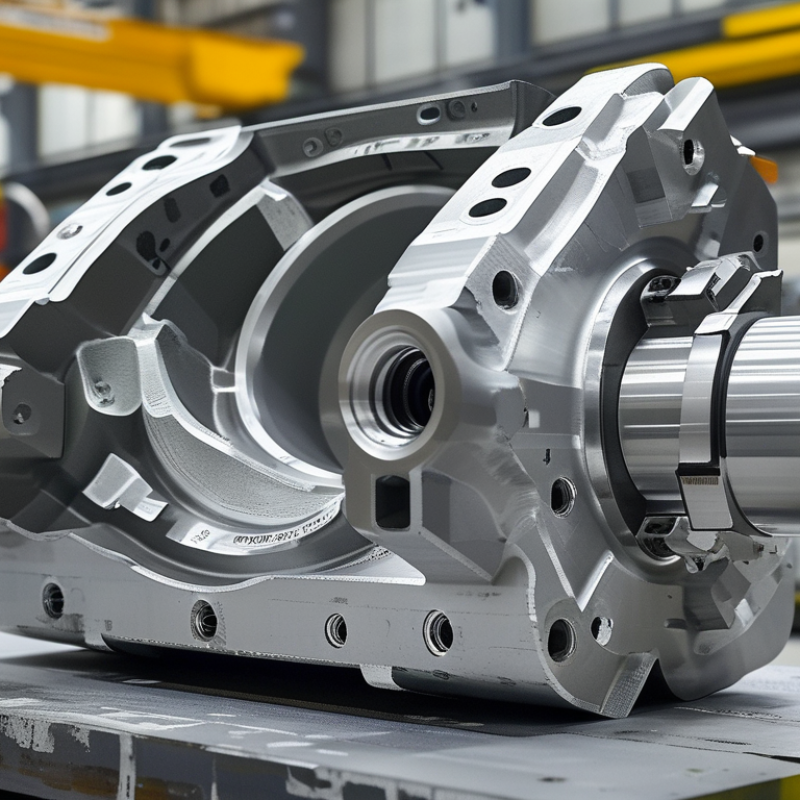
What Titanium Parts Are and How They Support Global Manufacturing
Titanium parts are machined or formed components made from titanium alloys. They appear as housings, fasteners, brackets, shafts, and medical-grade components. Their value comes from a useful balance: low density, high strength, and strong corrosion resistance. They can remain dependable near seawater, chemicals, and changing temperatures. Not everywhere. Surface condition, alloy selection, and finishing still matter.
For global manufacturing, this combination can simplify product design and supply planning. A lighter bracket may reduce shipping weight and installation effort. A corrosion-resistant shaft may need fewer replacements in humid facilities. Standardized titanium parts can also move between qualified suppliers with fewer design changes. That depends on accurate drawings, controlled tolerances, material certificates, and repeatable inspection. CNC machining titanium requires sharp tools, stable fixturing, controlled heat, and careful cutting parameters. Without these controls, heat buildup can damage surfaces and shorten tool life.
The material is not a magic solution. Titanium often costs more than steel and demands careful machining. A design team should compare lifecycle value, not purchase price alone. For example, a part lasting twice as long may justify higher production cost. Still, that assumption needs testing. Load data, cleaning conditions, repair access, and regional standards should guide the decision. When these details are documented, titanium parts support more consistent manufacturing across borders. Their success comes from disciplined engineering, not material choice alone.
Key Material Properties of Titanium Parts
Titanium parts earn attention through a rare balance of low density and high strength. Commercially pure titanium has a density near 4.51 g/cm³, while Ti-6Al-4V is about 4.43 g/cm³. These figures appear in ASM Handbook materials data. Steel is usually much heavier.
Strength matters in global manufacturing. Typical Ti-6Al-4V tensile strength approaches 900 MPa after suitable processing. Its strength-to-weight ratio supports lighter brackets, housings, shafts, and aircraft structures. The material also retains useful performance near 400°C. However, titanium is not a universal solution. Its elastic modulus is only about 114 GPa, roughly half that of steel. Designers must check stiffness, vibration, and deflection.
Corrosion resistance is another practical advantage. A stable oxide film protects titanium in seawater, chlorides, and many chemical environments. NACE technical guidance recognizes titanium alloys for demanding corrosion-service applications. The USGS Mineral Commodity Summaries 2025 reports approximately 9.5 million metric tons of global ilmenite production in 2024, showing the scale of the upstream supply chain. Yet supply does not guarantee easy sourcing.
Machining titanium requires discipline. Cutting heat stays near the tool, and poor parameters can cause galling or premature wear. Keep speeds controlled. Use sharp tooling and steady coolant flow. I have seen lightweight designs fail because engineers optimized mass before checking joint stiffness. That lesson is uncomfortable. Titanium rewards careful engineering, not automatic material substitution.
| Material Property | Typical Titanium Value | Common Reference Grade or Condition | Manufacturing Significance |
|---|---|---|---|
| Density | Approximately 4.51 g/cm³ | Commercially pure titanium and titanium alloys | About 40% lighter than steel, helping reduce component weight while maintaining high structural performance. |
| Tensile Strength | 240–345 MPa for commercially pure grades Up to approximately 900–1,100 MPa for Grade 5 alloy | Commercially pure titanium; Ti-6Al-4V | Supports load-bearing parts, especially when strength-to-weight ratio is a primary design requirement. |
| Yield Strength | 170–275 MPa for commercially pure grades Approximately 830–950 MPa for Grade 5 alloy | Typical annealed material conditions | Indicates the stress level at which permanent deformation begins; actual values depend on grade, heat treatment, and product form. |
| Elastic Modulus | Approximately 105–120 GPa | Most titanium grades at room temperature | Lower than steel, allowing useful flexibility but requiring careful consideration of part stiffness and deflection. |
| Specific Strength | High strength-to-weight ratio | Particularly notable for Ti-6Al-4V and other alpha-beta alloys | Enables lightweight designs for aerospace, medical, chemical-processing, and high-performance industrial components. |
| Melting Range | Approximately 1,660–1,670°C for commercially pure titanium Approximately 1,600–1,660°C for common alloys | Grade and alloy dependent | Provides excellent high-temperature capability, although allowable service temperature also depends on environment and exposure time. |
| Thermal Conductivity | Approximately 6–22 W/m·K | Lower than aluminum and most steels; varies by grade | Low thermal conductivity can increase heat concentration during machining and requires appropriate cutting parameters and cooling practices. |
| Coefficient of Thermal Expansion | Approximately 8.5–9.5 × 10⁻⁶/K | Typical room-temperature range | Lower thermal expansion helps dimensional stability across temperature changes compared with many aluminum alloys. |
| Corrosion Resistance | Excellent in seawater, chlorides, and many oxidizing environments | Protective, self-healing titanium oxide film | Reduces the need for protective coatings and supports long service life in marine, chemical, and medical applications. |
| Biocompatibility | Generally high for suitable implant-grade titanium | Commercially pure titanium and Ti-6Al-4V ELI, when processed to applicable standards | Makes titanium suitable for many orthopedic, dental, and surgical components; final suitability depends on standards, surface condition, and application. |
| Magnetic Behavior | Essentially non-ferromagnetic | Commercially pure titanium and common titanium alloys | Useful for applications requiring low magnetic interference, subject to the complete assembly and surrounding materials. |
| Fatigue Performance | Strong fatigue capability when properly designed and finished | Influenced by alloy, surface finish, stress concentration, and environment | Supports cyclic-load applications, but machining marks, sharp transitions, and surface defects should be controlled. |
| Machinability | More difficult than aluminum and mild steel | All titanium grades; Grade 5 requires particular process control | Low thermal conductivity and chemical reactivity can cause heat buildup, tool wear, and work hardening; rigid setups and suitable tooling are important. |
| Recyclability | Recyclable through controlled scrap collection and remelting | Commercially pure titanium and titanium alloys | Separating alloys and avoiding contamination improves recovery quality and supports more sustainable manufacturing programs. |
Benefits of Titanium Parts in International Production
Why Choose Titanium Parts for Global Manufacturing?
Titanium parts offer a strong advantage in international production: high strength with relatively low weight. This balance helps reduce assembly weight without weakening structural performance.
Titanium also resists corrosion in humid, salty, and chemically demanding environments. That matters when components travel across climates or operate outdoors. Its stable performance can support longer service intervals and fewer replacement shipments.
Titanium remains reliable at elevated temperatures, although its machining behavior demands experienced process control. Cutting generates heat quickly. Tool wear can be significant.
In global manufacturing, consistency is just as important as material strength. Clear drawings, controlled tolerances, and documented inspection methods help different facilities produce matching parts.
Traceability records also make quality reviews easier across borders. From practical production experience, surface finish and thread accuracy often need extra attention.
A part may meet the drawing but still cause assembly friction. That is an uncomfortable detail worth checking early.
Titanium is not always the cheapest choice, either. Its value depends on service life, weight reduction, and maintenance demands, not purchase price alone.
Tips:
Confirm the alloy, tolerance, finish, and inspection method before production. Request sample parts and review machining marks closely. Keep specifications simple where possible. Less ambiguity helps international teams work better.
Common Manufacturing Methods for Titanium Components
Why Choose Titanium Parts for Global Manufacturing?
Common manufacturing methods determine titanium’s cost, strength, and delivery reliability. CNC machining suits tight tolerances and small production runs. It can produce clean threads, thin walls, and complex medical or aerospace parts. However, titanium removes heat poorly. Sharp tools, steady coolant, and slower cutting speeds are essential.
Forging aligns the metal’s grain structure and improves fatigue performance. It fits shafts, brackets, and load-bearing components. Casting supports complex shapes with fewer machining steps, but surface defects require strict inspection. Additive manufacturing reduces material waste and creates internal channels that conventional tools cannot reach. The process still needs careful powder control, heat treatment, and post-machining. The USGS Mineral Commodity Summaries 2024 estimated global titanium sponge production at approximately 280,000 metric tons in 2023, showing a substantial but specialized supply base.
Tips: Match the method to the part’s stress, volume, and tolerance. Request material certificates, heat-treatment records, and dimensional reports. ISO 9001 systems help, but paperwork alone cannot reveal every defect. CT scanning or ultrasonic testing may be worthwhile for critical parts. Powder-bed printing is impressive, though not automatically the best choice. A simpler forged design may perform better and cost less. Specifications sometimes overreach. Review them with a manufacturing engineer before production.
Industry Applications and Selection Considerations for Titanium Parts
Why Choose Titanium Parts for Global Manufacturing?
Titanium parts are chosen when low weight, strength, and corrosion resistance matter together. In aerospace structures, they reduce mass while supporting demanding loads and temperature changes. Marine pumps and offshore equipment benefit from titanium’s resistance to seawater. Medical instruments may require titanium for its biocompatibility and clean surface performance. Chemical processing systems also use it near aggressive fluids. The application decides the value.
Yet, titanium is not automatically the best material. The correct grade must match strength, temperature, corrosion exposure, and forming requirements. Design teams should compare fatigue data, tolerances, and expected service life. For medical components, traceability and documented material certification are essential. For outdoor or marine use, joint design deserves careful attention. Galvanic corrosion can appear when titanium contacts dissimilar metals. Surface finish can also affect cleaning and wear.
Manufacturing route matters. Machining titanium demands sharp tools, controlled cutting speeds, and effective heat management. Poor tool control can damage the part. I have seen small design assumptions create expensive rework. Global sourcing adds another layer of risk. Ask suppliers about inspection methods, dimensional reports, material certificates, and packaging protection. Do not accept vague quality claims. A lightweight part is not truly efficient if production waste, repairs, or transport damage offset its benefits. Engineers should review the full lifecycle, not only the purchase price. Titanium selection still requires judgment.
Why Choose Titanium Parts for Global Manufacturing?
Industry Applications and Selection Considerations for Titanium Parts
The chart uses representative density and minimum tensile-strength values for commonly specified wrought titanium grades. Actual properties may vary according to product form, specification, heat treatment, and manufacturing process.